
If you’ve got a urinal that won’t stop running, you’re not alone. It’s one of the most common (and costly) plumbing issues in commercial bathrooms across Australia. A constantly running urinal can waste thousands of litres of water per month, blow out your water bill, and lead to unnecessary wear on your system.
Let’s break down the most common causes—and more importantly, how to fix them.
1. Faulty Flush Valve or Diaphragm
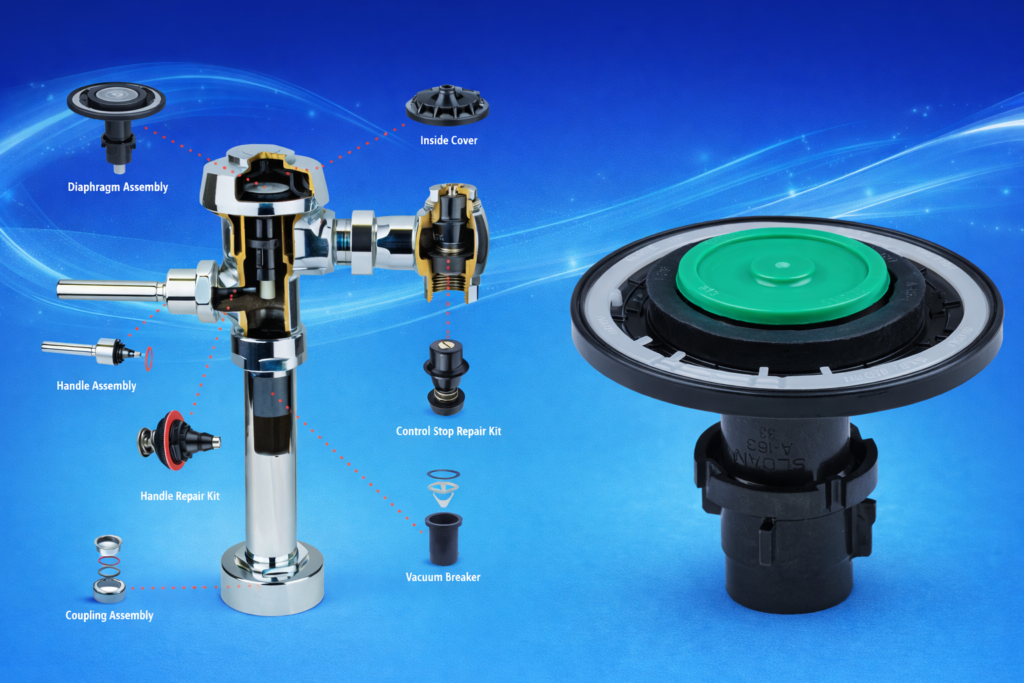
What’s happening:
In manual and exposed flush valves (like Sloan style systems), the diaphragm controls water flow. Over time, it can:
- Wear out
- Tear
- Get clogged with debris
Signs:
- Continuous trickle after flushing
- Weak or inconsistent flush
Solution:
- Replace the diaphragm kit
- Clean internal components
- Check for debris in the valve
💡 Pro Tip: In high-use commercial settings, diaphragms may need replacing every 1–2 years.
2. Sensor / Timer Malfunction (Automatic Urinals)
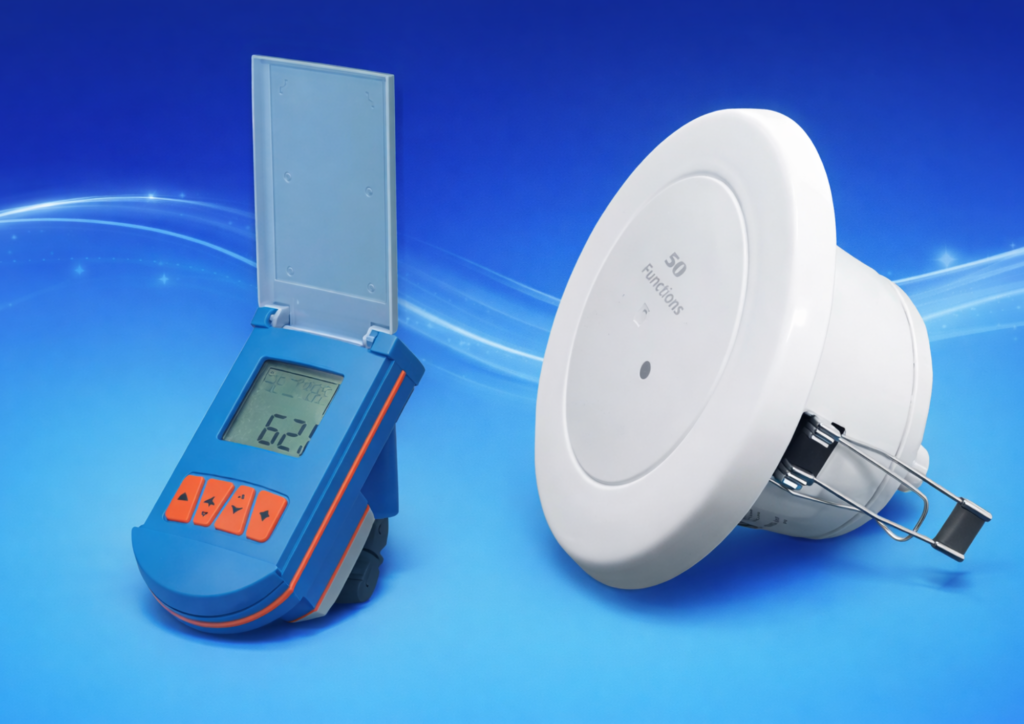
What’s happening:
Sensor urinals rely on infrared detection. If the sensor fails, it can:
- Trigger constant flushing
- Not shut off properly
Timer urinals are set to flush at intervals pre-set to specific needs, If the timer is not set correctlly it can:
- Flush at incorrect intervals
- Open the valve for too long, allowing excessive water usage
Causes:
- Dead or low batteries
- Dirty sensor lens
- Electrical faults
- Incorrect timer settings
Solution:
- Replace batteries
- Clean the sensor window
- Reset or replace the sensor unit
- Check programming settings
3. Stuck or Worn Solenoid Valve
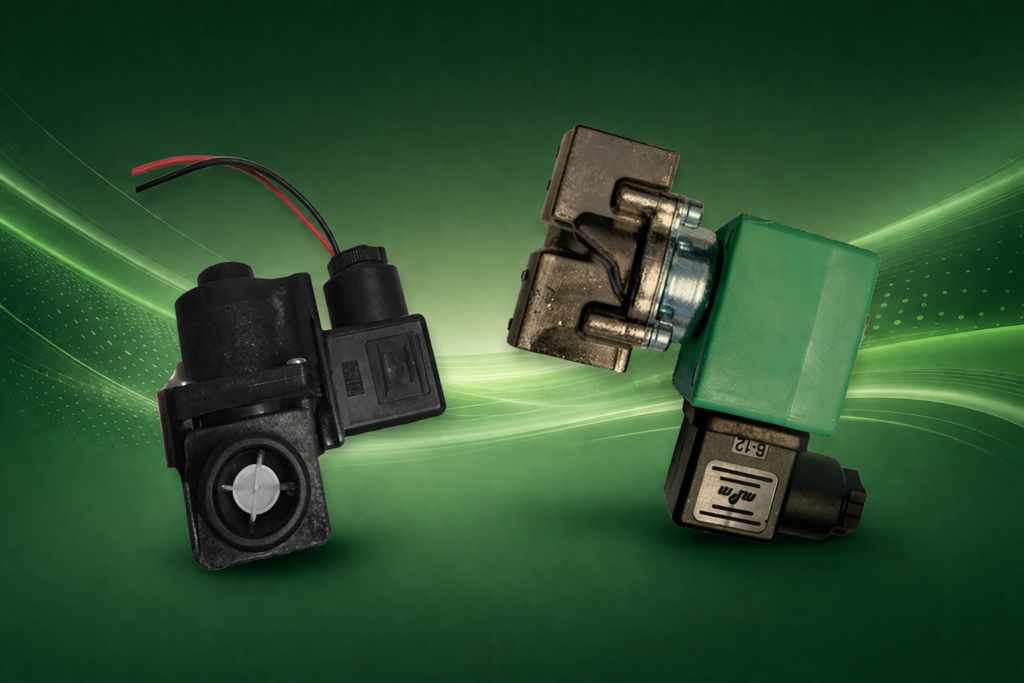
What’s happening:
The solenoid controls water flow in automatic systems. If it sticks open, water keeps flowing.
Signs:
- Continuous flow even without activation
- No response from sensor
Solution:
- Replace the solenoid cartridge
- Check for mineral buildup
- Inspect wiring connections
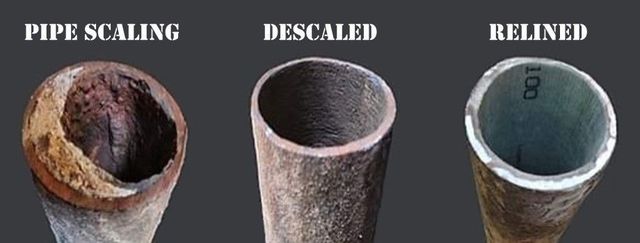
4. Debris or Mineral Build-Up
What’s happening:
In areas with hard water (common across parts of Australia), scale and debris can:
- Prevent valves from sealing properly
- Keep water flowing
Solution:
- Flush the system
- Clean or descale components
- Install inline filters if recurring
💡 Regular maintenance is key in schools, pubs, and stadiums.
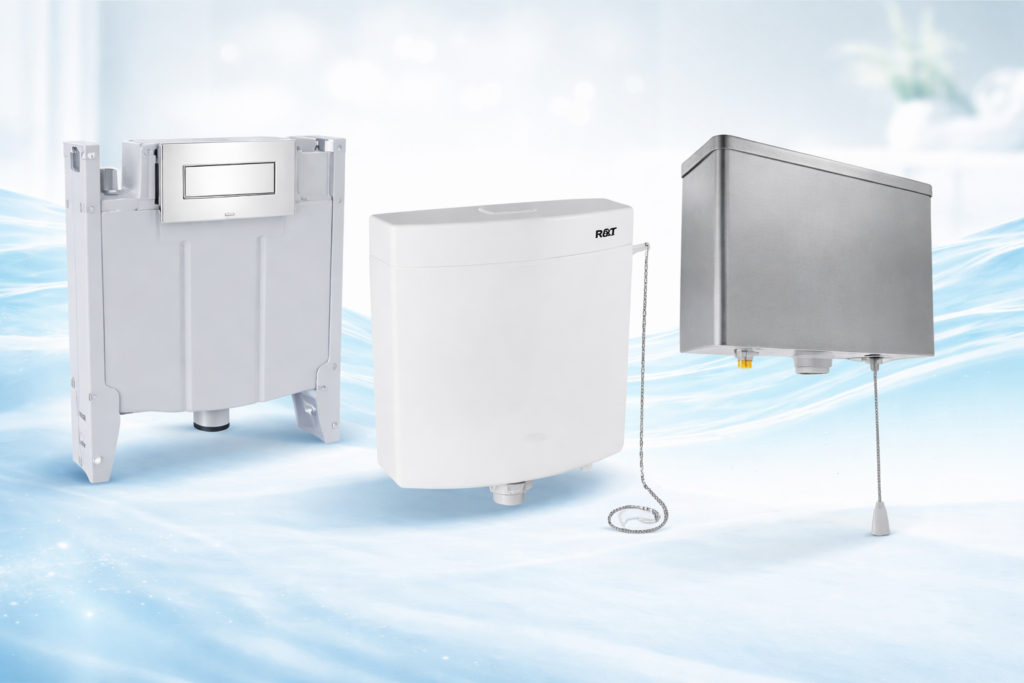
5. Cistern Issues
What’s happening:
If your urinal uses a cistern (common in older or concealed setups), problems include:
- Float valve stuck open
- Faulty inlet valve
- Overflow pipe constantly running
Solution:
- Adjust or replace the float
- Replace inlet valve
- Inspect for worn seals
Why You Should Fix It ASAP
A running urinal isn’t just annoying—it’s expensive.
- 💧 Water waste: Up to 150,000+ litres/year per unit
- 💰 Higher bills: Significant cost increases for businesses
- ⚠️ Compliance risks: May affect WELS efficiency expectations
- 🧼 Hygiene issues: Constant moisture = odour + bacteria
Preventative Maintenance Tips
- Schedule quarterly inspections
- Replace diaphragms and seals proactively
- Clean sensors and valves regularly
- Use quality parts (cheap components fail faster)
- Install smart flush systems to control usage
When to Call a Professional
If you’ve tried the basics and the urinal is still running:
- The issue may be internal or pressure-related
- Electrical faults may require specialist repair
- Hidden leaks (especially in wall cisterns) need proper diagnosis
Final Word
A running urinal is one of those “small problems” that quickly turns into a big one. The good news? Most fixes are quick, affordable, and preventable.
If you stay on top of maintenance and use reliable components, you’ll avoid downtime, save water, and keep your bathroom running like a dream.
