
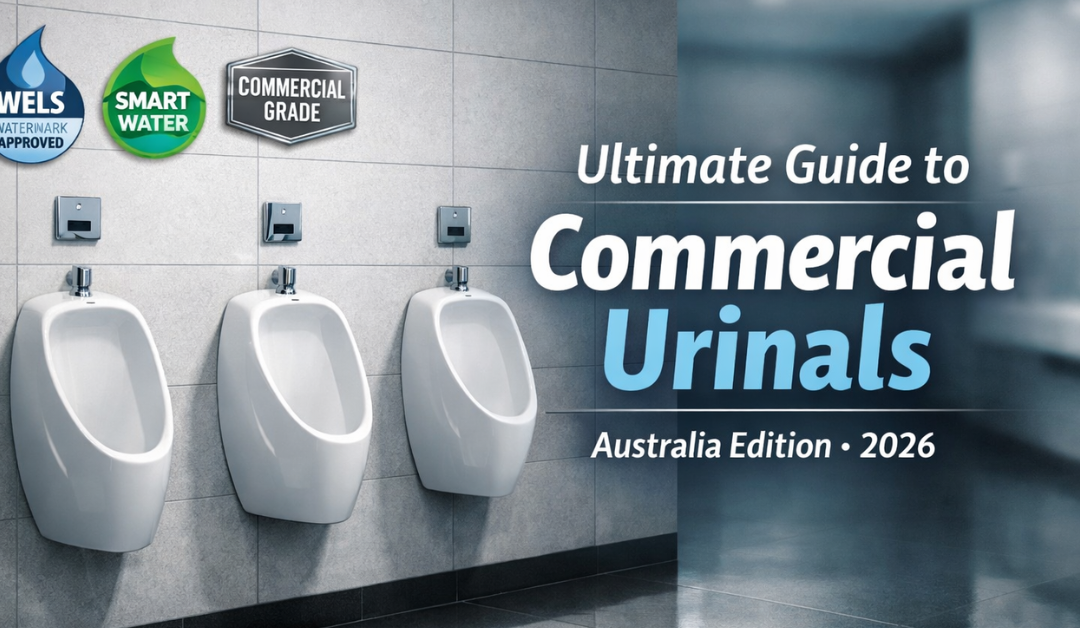
Commercial Urinals in Australia: Everything You Need to Know
Choosing the right commercial urinal isn’t just about price — it affects water usage, maintenance costs, hygiene, and long-term compliance.
Whether you’re fitting out a pub, school, stadium, or commercial building, this guide explains:
-
Types of commercial urinals
-
Waterless vs flushing systems
-
Australian spacing requirements
-
Running costs and water savings
-
Maintenance best practices
-
How to choose the right model
At The Urinal Shop, we specialise in compliant, high-performance urinal systems for Australian conditions.
Types of Commercial Urinals
Wall-Hung Urinals
Wall-hung urinals are the most common choice for commercial bathrooms.
Best for:
-
pubs and clubs
-
offices
-
shopping centres
-
general commercial use
Pros
-
cost effective
-
easy to install
-
widely available
-
simple maintenance
Cons
-
may require flush management
-
water usage depends on system
Stall Urinals (Slab or Trough Style)
Stall or trough urinals are designed for very high traffic environments.
Best for:
-
stadiums
-
schools
-
large venues
-
industrial sites
Pros
-
handles heavy usage
-
fewer blockages
-
efficient for peak crowds
Cons
-
less privacy
-
higher installation cost
Waterless Urinals
Waterless urinals are becoming increasingly popular across Australia due to water savings and sustainability goals.
Best for:
-
environmentally focused facilities
-
water-restricted sites
-
remote locations
-
high water cost areas
Pros
-
zero flush water
-
major water savings
-
reduced plumbing complexity
-
lower long-term water bills
Cons
-
requires cartridge maintenance
-
needs proper cleaning regime
-
incorrect servicing can cause odours
Sensor Flush Urinals
Automatic sensor systems improve hygiene and water control.
Best for:
-
premium commercial bathrooms
-
healthcare
-
airports
-
modern office fitouts
Pros
-
touch-free operation
-
controlled flushing
-
improved hygiene
Cons
-
higher upfront cost
-
requires power source / battery
-
sensor maintenance required
Waterless vs Flushing Urinals: Which Is Better?
This is one of the most common questions facility managers ask.
Water Usage Comparison
| Type | Typical Water Use |
|---|---|
| Traditional flush | 1.5–3 litres per flush |
| Sensor controlled | 0.8–1.5 litres |
| Waterless | 0 litres |
👉 A busy pub urinal can use 100,000+ litres per year if poorly managed.
Maintenance Comparison
Flushing urinals
-
require flush valve maintenance
-
can waste water if incorrectly set
-
generally familiar to cleaners
Waterless urinals
-
require cartridge replacement
-
need correct cleaning products
-
lower plumbing wear
Best Choice by Venue
Choose waterless if:
-
water costs are high
-
sustainability is a priority
-
maintenance is managed properly
Choose flushing if:
-
cleaners prefer traditional systems
-
retrofitting existing plumbing
-
very inconsistent maintenance regimes
Australian Urinal Spacing & Compliance
Compliance is critical in commercial installations.
Typical Urinal Spacing (Australia)
While requirements can vary by state and project, common practice is:
-
Minimum centre spacing: ~600 mm
-
Recommended comfortable spacing: 700–800 mm
-
Privacy divider projection: typically 300–400 mm
Always confirm with:
-
NCC (National Construction Code)
-
local plumbing codes
-
accessibility requirements
WaterMark Certification
In Australia, urinals connected to plumbing systems must typically be WaterMark certified.
WaterMark ensures:
-
plumbing safety
-
regulatory compliance
-
insurance acceptance
-
legal installation
WELS Ratings Explained
The WELS (Water Efficiency Labelling and Standards) rating indicates water efficiency.
Why it matters:
-
reduces water bills
-
supports sustainability targets
-
often required in government projects
Running Costs & Water Savings
Example: Busy Pub Scenario
Traditional uncontrolled flush
-
~2 litres per flush
-
50 uses/day
-
≈ 36,500 litres/year per urinal
Timed or smart flush
-
can reduce water by 30–70%
Waterless system
-
eliminates flush water entirely
👉 Over multiple urinals, savings become significant.
Maintenance Best Practices
Proper maintenance is the difference between a great installation and ongoing headaches.
Daily / Regular Cleaning
-
use approved urinal cleaners
-
avoid harsh chemicals in waterless units
-
clean rims and traps
-
check for blockages
Periodic Checks
-
inspect flush valves
-
check sensor operation
-
review flush timing
-
inspect waste lines
Waterless Cartridge Replacement
Typical interval:
-
every 3–6 months (usage dependent)
Signs replacement is needed:
-
odour breakthrough
-
slow drainage
-
visible cartridge wear
How to Choose the Right Commercial Urinal
Step 1 — Identify Your Venue Type
-
Pub or club → durability + odour control
-
School → vandal resistance + water savings
-
Stadium → high capacity
-
Office → aesthetics + hygiene
Step 2 — Review Water Costs
High water costs = strong case for:
-
waterless
-
smart flush
-
timer systems
Step 3 — Assess Maintenance Capability
If maintenance is inconsistent:
-
avoid complex systems
-
consider controlled flushing
If maintenance is strong:
-
waterless becomes very attractive
Step 4 — Confirm Compliance
Always check:
-
WaterMark
-
WELS
-
NCC requirements
-
accessibility
Recommended Commercial Urinal Solutions
At The Urinal Shop, we supply:
-
WaterMark-approved urinals
-
waterless systems
-
flush timers and controls
-
privacy dividers
-
cleaning and maintenance products
👉 Browse our range or contact our team for expert advice tailored to your facility.
Frequently Asked Questions
How much water does a commercial urinal use?
Traditional urinals typically use 1.5–3 litres per flush, though smart controls can reduce this significantly. Waterless urinals use zero flush water.
Are waterless urinals hygienic?
Yes — when properly maintained with the correct cartridge and cleaning regime, waterless urinals are widely used in commercial facilities across Australia.
What is the standard urinal height in Australia?
Typical rim height is around 610–660 mm for adults, with lower heights required for accessible installations.
How often should urinals flush?
This depends on traffic and system type. Many commercial sites optimise flushing using timers or sensors to reduce water waste.
Do commercial urinals need WaterMark approval?
In most Australian plumbing installations, yes — always confirm with your plumber or certifier.
Need Help Choosing the Right Urinal?
The team at The Urinal Shop specialises in commercial urinal systems across Australia.
✅ Expert advice
✅ Water-saving solutions
✅ Compliance support
✅ Fast nationwide supply

